
Bosses Go Crazy
Published on 7th July, 2026
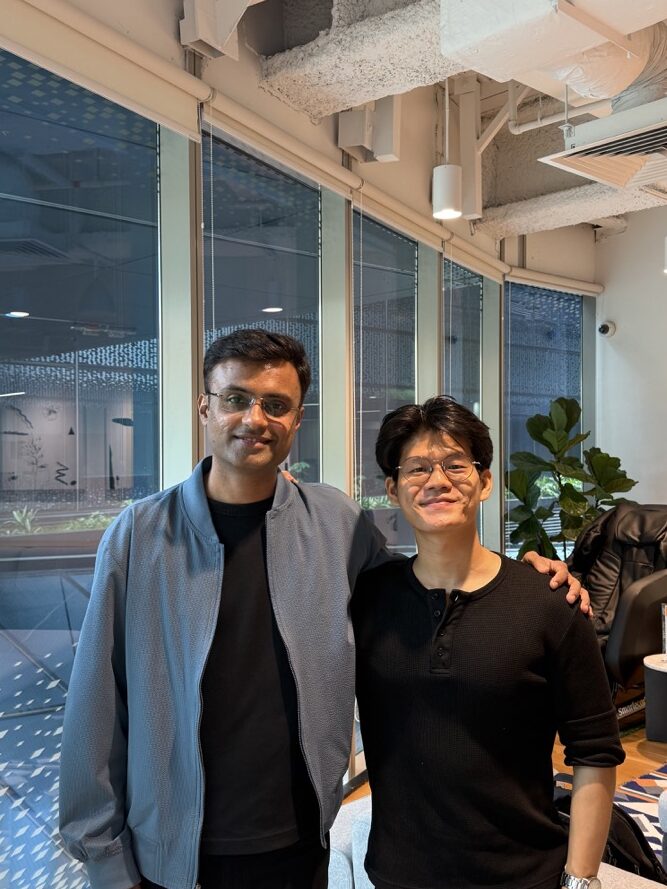

Bhavin Mehta is the Managing Director of Helpling APAC, the company behind Singapore’s largest home services platform.
Every day, thousands of households trust Helpling to connect them with professional home cleaners and care providers, helping busy families reclaim time for what matters most.
But his journey to leading one of the region’s most recognised consumer platforms wasn’t linear.
“I’ve always been drawn to building businesses. What excites me isn’t just growth; it’s creating systems, teams and products that can scale. The best founders I’ve worked with have always appreciated that I treat the business as if it were my own
That ownership mindset has shaped his career.
After beginning at Citibank India, Bhavin joined some of the fastest-growing consumer startups across India and Southeast Asia, including Housing.com, HomeLane, Toothsi and Zenyum.
Along the way, he also founded his own PropTech startup. It ultimately didn’t succeed but he considers it one of the most valuable learning experiences of his career.
Today, he leads Helpling following the transition from its long-serving regional CEO, with a clear ambition: transform Helpling from Singapore’s leading cleaning platform into the region’s most trusted home care company.
“We want to become a household name. Whenever someone thinks about taking care of their home, there’s only one brand they remember – Helpling.”
Enjoying this story?
Get raw interviews and unfiltered lessons from entrepreneurs across Asia — straight to your inbox 👇
1. Hardest lessons he learnt from building his own startup

In 2020, Bhavin co-founded and launched TheGoodBrokers.com, a PropTech venture in India that aimed to organize freelance real estate brokers and provide them with tools, network, and a platform which would enable them to operate more efficiently and more professionally.
To understand why it didn’t take off, he said it was two reasons:
“It’s important to get the product-market fit and the timing of launch correct. We launched a little before COVID started. We got the best partners on board and understood the real pain points, but unfortunately had to shut it down because we were not able to navigate enough across the multiple waves that were coming through.”
One of the mistakes he made in his early startup days was not asking for help. Having come from a good pedigree and having successfully built and scaled businesses, he felt it wasn’t good for a founder to go out and ask for help and assume you can do it all alone.
He later emphasized the importance of picking the right co-founders:
“If you are just starting as a side hustle, you are not in it fully. That does not mean you don’t go after contingencies or other people you want to work with, but have conviction in the plans that you build and go for it.”
2. From a Startup Founder to Building & Scaling VC-Backed Companies Across Southeast Asia
One thing I was very curious about was why he didn’t continue to pursue the startup route.
While he loves to build something of his own, most of his previous roles have been entrepreneurial in nature.
“I love solving everyday problems at the consumer and at the business level. I took these roles because they gave me the ownership of execution, and I think that mindset has also helped me succeed in these roles.”
That brings me to the next question – one that almost all founders struggle with – how do you instill ownership into your employees?
While people have different motivations for working at a company versus starting their own, here’s Bhavin’s mental framework:
- Instill a sense of purpose, that they’re making a real impact on the lives of others, and naturally, they’ll start owning it more maturely.
- Give them the flexibility and autonomy to operate, which empowers them to make decisions, and that, he said, naturally brings out an ownership mindset in the long run.
After all, entrepreneurship today comes in many shapes and forms.
3. Why Great Businesses Can’t Be Copied Overnight
Helpling today is Singapore’s largest home cleaning and home services platform.
In highly competitive markets, companies often assume that success comes from raising more money, hiring more people or spending more on marketing.
Bhavin disagrees.
He believes Helpling’s advantage has been built patiently over years, and rests on two things that cannot be purchased overnight: trust and people.
Over the years, Helpling has put trust at its forefront, ensuring every professional on the platform is carefully vetted, trained, and supported before entering a customer’s home, especially so as nobody would trust a stranger setting foot in their house.
But trust isn’t built only with customers.
It starts with the people delivering the service, and Bhavin refers to Helpling’s cleaning professionals as the company’s superheroes.
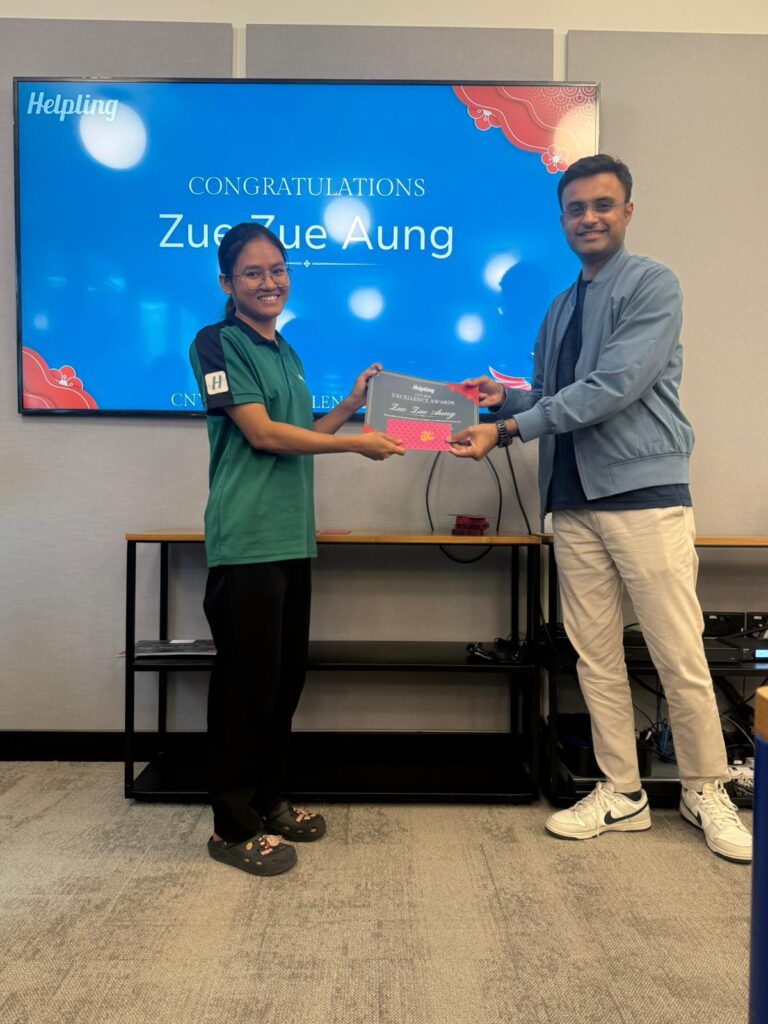
“It’s (trust) not something you could replicate overnight by adding additional capital and people. In this category, you win by great execution. If you deliver a great experience to customers, customers will stick to you and come back. There’s a lot of word of mouth that happens for us, and our customers come back because they have enjoyed the cleaning experience our helpers have provided.”
– Bhavin, Managing Director of Helpling
That creates what he describes as a powerful flywheel where you acquire great-quality customers and deliver great execution, which in turn makes the best margins and revenue for your partners. Then the partners are willing to reinvest with you, so that flywheel is something that gets built over time.
4. Two mistakes founders often make in the scaling stage
Scaling is a devil when not managed carefully, having heard countless horror stories.
Having seen companies in the scaling stage, Bhavin said businesses often confuse sophistication with scalability.
“Keep it simple”, he said. “The systems that scale best, he says, aren’t the most complicated – they’re the most repeatable.”
“My learning is: keep it simple. Simple systems are the most scalable, as long as you make them repeatable in nature and make sure that the core problem you are solving for is addressed through the process.”
Every process should solve a real customer problem while remaining easy enough for every team member to execute consistently.
Every process should solve a real customer problem while remaining easy enough for every team member to execute consistently.
One of Bhavin’s first priorities after taking over Helpling was exactly that: simplifying operations, building scalable systems, and creating processes that allow the company to continue growing without compromising customer experience.
And he later emphasized a point he kept coming back to:
“One thing that you really need to get right is, I’ll go back to people. Build a team that is motivated, driven, and passionate about the problem you’re solving. That is going to be extremely crucial when you are scaling it. You don’t need a half-hearted army going after a problem.”
Processes can be improved.
Technology can be upgraded.
Capital can always be raised.
But none of those matter without people who genuinely believe in the mission.
5. Advice to Anyone Early in Their Career
Here’s a part I personally wouldn’t want you to miss, especially if you’re an early founder.
I recalled asking, “What was something you wish you knew back then that would have saved you years?”
Reflecting on his own journey – from corporate banking to startups, entrepreneurship, and now leading a regional business – Bhavin offers two pieces of advice he wishes someone had shared with him earlier.
The first is for young professionals — You don’t have to be the loudest person in the room.
Instead, focus on doing consistently great work.
Keep learning. Stay humble. And people will notice.
“When you approach work with the right attitude, opportunities naturally find you. You’ll attract mentors who invest in your growth and leaders who trust you with bigger responsibilities.”
His second message is directed at founders — Don’t lose yourself
Many entrepreneurs are told they need to become tougher, more aggressive or more ruthless to succeed.
Bhavin believes the opposite.
Stay adaptable, but keep your core values intact.
And above everything else, be irrationally optimistic.
Optimism gives founders the resilience to keep showing up after rejection, failed products, difficult meetings, and uncertain days. Whether pitching investors, winning customers, or building teams, persistence often becomes the ultimate competitive advantage.
Because when you never give up, you eventually find a way to win.
If you got something out of this, the best thing you can do is share it with one founder or operator who’d appreciate it — that’s how this grows.
Bosses Go Crazy is where I share the real, unfiltered stories from the founders building across Asia.
Also read: